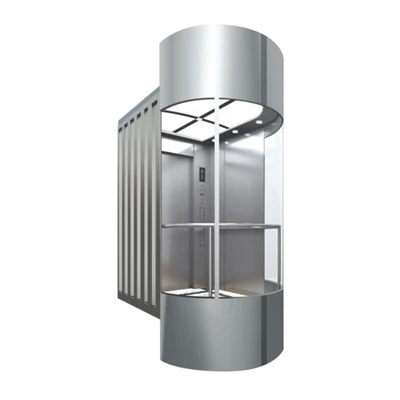
The choice of materials for car elevators needs to be comprehensively matched based on the function of the components, the usage scenario, and the environment. The core is to ensure safety, durability, and low maintenance.
Car body material: Stainless steel is the first choice for home use, while aluminum alloy is an option for commercial use.
Stainless steel (recommended for home use): Especially 304 brushed stainless steel, which is usually 8mm thick, has extremely strong corrosion resistance, wear resistance, and impact resistance. It performs excellently in humid or coastal areas; one seaside community used it for 5 years and it still looks brand new. The surface is "durable," and oil stains and sand can be wiped clean with a simple wipe, making it very suitable for daily home use.
Aluminum alloy (suitable for commercial use): The lightweight design helps reduce energy consumption, making it suitable for commercial parking lots with high traffic volume. However, the material is relatively soft, and in a home environment, it is easily scratched by small stones carried in by tires. After long-term use, the ground will become uneven, and the cleaning and maintenance costs will be high.
Composite Materials/Carbon Fiber: Emerging high-end materials used in ultra-lightweight, high-strength applications. For example, carbon fiber-aluminum alloy sandwich structures can reduce weight by over 30% while increasing load-bearing capacity, commonly seen in high-end custom elevators.


Car Platform Material: The core load-bearing component, requiring high strength and anti-slip properties.
High-strength Patterned Steel Plate (Mainstream Choice): Made of 6–8mm thick Q345B low-alloy steel, with a tensile strength ≥470MPa, easily supporting 3–5 ton vehicles. The surface is hot-dip galvanized (zinc layer ≥80μm) or sprayed with epoxy zinc-rich primer + polyurethane topcoat to prevent corrosion in damp basement environments.
Aluminum Alloy Car Platform: Lightweight and corrosion-resistant, suitable for low-frequency use, but prone to deformation under frequent rolling, unsuitable for commercial or heavy-load environments.
Composite Materials: Such as carbon fiber reinforced resin boards, lightweight, high-strength, and with good fatigue resistance, are gradually being applied to the high-end market.
Wooden materials: Used in the early days, but now basically obsolete. They are not recommended due to their susceptibility to moisture and decay and poor safety.