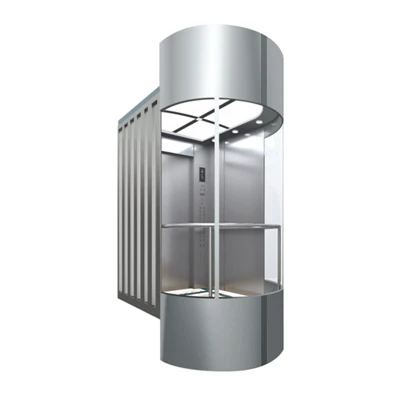
Your concern for elevator safety is essential, as you interact with it daily, and understanding these features provides peace of mind. In fact, passenger elevators have multiple layers of protection, truly a "multi-layered defense" for safety.
The core safety devices in passenger elevators mainly include the following categories, which work together to ensure operational and passenger safety:
Door Protection Devices
Safety Touch Panels and Light Curtains: Installed on both sides of the car door, when an obstacle (such as a person or object) is detected during the closing process, the door will automatically reopen to prevent injury. The light curtain uses infrared sensors for higher sensitivity.
Door Locks and Interlock Switches: The elevator can only start operating after the landing door and car door are completely closed and locked, preventing passengers from falling into the shaft.
Overspeed Protection Device (Fall Prevention Core)
Speed Governor: Monitors the car speed in real time; if it exceeds 115% of the rated speed, it will trigger both electrical and mechanical protection.
Safety Clamp: When the speed governor activates, the linked safety clamp firmly holds the car against the guide rails, achieving emergency stopping and preventing free fall. Used in pairs, these two components form a crucial line of defense against falls.
Suspension and Braking System
Wire Ropes: Typically consists of four or more independent wire ropes, each capable of withstanding its rated load. Even if some break, the remaining ropes can still safely bear the load.
Brake (Holding Brake): Automatically engages the traction sheave in the event of a power outage or shutdown, preventing accidental car movement and ensuring a stable stop.
Terminal Protection Devices (Anti-Overshoot/Anti-Bottom-Down)
Forced Deceleration Switch, Limit Switch, and Override Switch: Triple protection prevents the elevator from losing control and crashing when reaching the top or bottom floor. If the previous stage fails, the next stage will intervene step by step, ultimately cutting off the power and forcibly stopping the elevator.
Buffer Device (Last Line of Defense)
Buffer: Installed at the bottom of the hoistway, it comes in spring and hydraulic types. In extreme situations, it absorbs the kinetic energy of the falling car or counterweight, reducing impact.
Overload Protection Device
When the car load exceeds the rated value, the system will issue an alarm and a buzzer, and will prohibit operation with the doors closed to prevent malfunctions caused by overload.