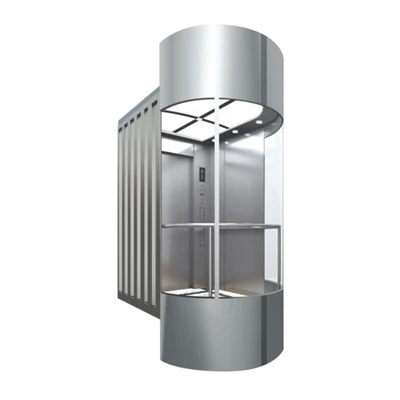
Your concern for elevator safety is essential, as you interact with it daily. Understanding these devices provides peace of mind. Passenger elevators are primarily equipped with four core safety devices: door protection devices, overspeed protection devices, buffer devices, and electrical safety interlocking systems. Together, these form multiple lines of defense against accidents such as falls, pinching, and overshooting.
Door Protection Devices: Preventing People from Being Pinched and Preventing the Elevator from Moving with the Door Open
This is the safety barrier that passengers come into contact with most frequently, ensuring safety during the door opening and closing process.
Safety Contact Plates and Light Curtains: Installed on both sides of the car door, when the door encounters an obstacle (such as a person or object) while closing, the contact plate is pressed or the light curtain is blocked, and the door will immediately and automatically reopen.
Door Locks and Interlock Switches: The elevator can only start operating when both the landing door and car door are completely closed and locked; if any door is not properly closed, the elevator cannot move, eliminating the risk of "moving with the door open" from the outset.
Overspeed Protection Device: Preventing Uncontrolled Elevator Fall
This is the core mechanism to prevent free fall, activated by the coordinated action of two key components.
Overspeed Governor:Monitors the car's speed in real time. If it exceeds 115% of the rated speed, it triggers a mechanical action and cuts off the control circuit.
Safety Clamp:When the overspeed governor is activated, it pulls the safety clamp, firmly clamping the car onto the guide rails, achieving emergency braking, like "fastening a seatbelt" for the elevator.
Buffer Device: The Last Line of Physical Defense
Even if all other protections fail, the buffer can minimize impact damage.
Spring and Hydraulic Buffers: Installed at the bottom and top of the shaft, they absorb kinetic energy and reduce impact force when the car or counterweight falls, protecting passengers and equipment.
This is the "last line of defense" in the elevator safety chain; although activated only in extreme situations, it is indispensable.