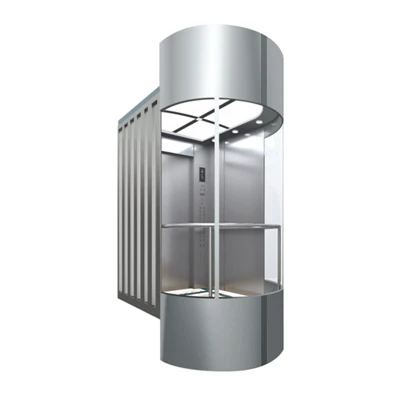
The most durable materials for passenger elevators are 304 or 316 stainless steel, especially 316 stainless steel, which performs better in highly corrosive environments.
These types of stainless steel are not only corrosion-resistant and wear-resistant, but also possess excellent strength and toughness, allowing them to withstand long-term high-frequency use and complex environmental conditions. Specifically:
304 Stainless Steel: The mainstream choice in the elevator industry, widely used in components such as the car, door panels, and handrails. It has good corrosion resistance and processing properties, suitable for most ordinary indoor environments.
316 Stainless Steel: Due to the addition of molybdenum, it has even stronger corrosion resistance, making it particularly suitable for coastal areas, high-humidity environments, or places with strong chemical corrosion, resulting in a longer service life.
Brushed Stainless Steel Coated Sheet: In high-traffic areas such as shopping malls, this material combines the strength of stainless steel with the surface's anti-slip and noise-reducing properties. It has excellent wear resistance, showing almost no scratches after three years of use, and has extremely low maintenance costs.
In comparison, while spray-painted and baked-on steel plates are cheaper, their paint is prone to rust once damaged, and their long-term durability is far inferior to that of stainless steel. Glass and wood are more often used for decoration and require additional protection to extend their lifespan.